
Fuel Your Active Lifestyle with Smart Snacking
Discover how proper nutrition fuels peak performance for active men across the United Kingdom.
Nutrition Impact by Numbers
35%
Energy Boost from Protein-Rich Snacks
Active men report sustained energy levels throughout the day with balanced snacking
2-3 Hours
Optimal Snack Interval
Strategic snacking between meals prevents energy crashes and supports muscle recovery
25g+
Ideal Protein Per Snack
Quality protein snacks support muscle maintenance and recovery for active lifestyles
8+ Servings
Daily Micronutrient Goals
Thoughtful snacking helps active men meet essential vitamin and mineral requirements
Why Active Men Need Better Snacks
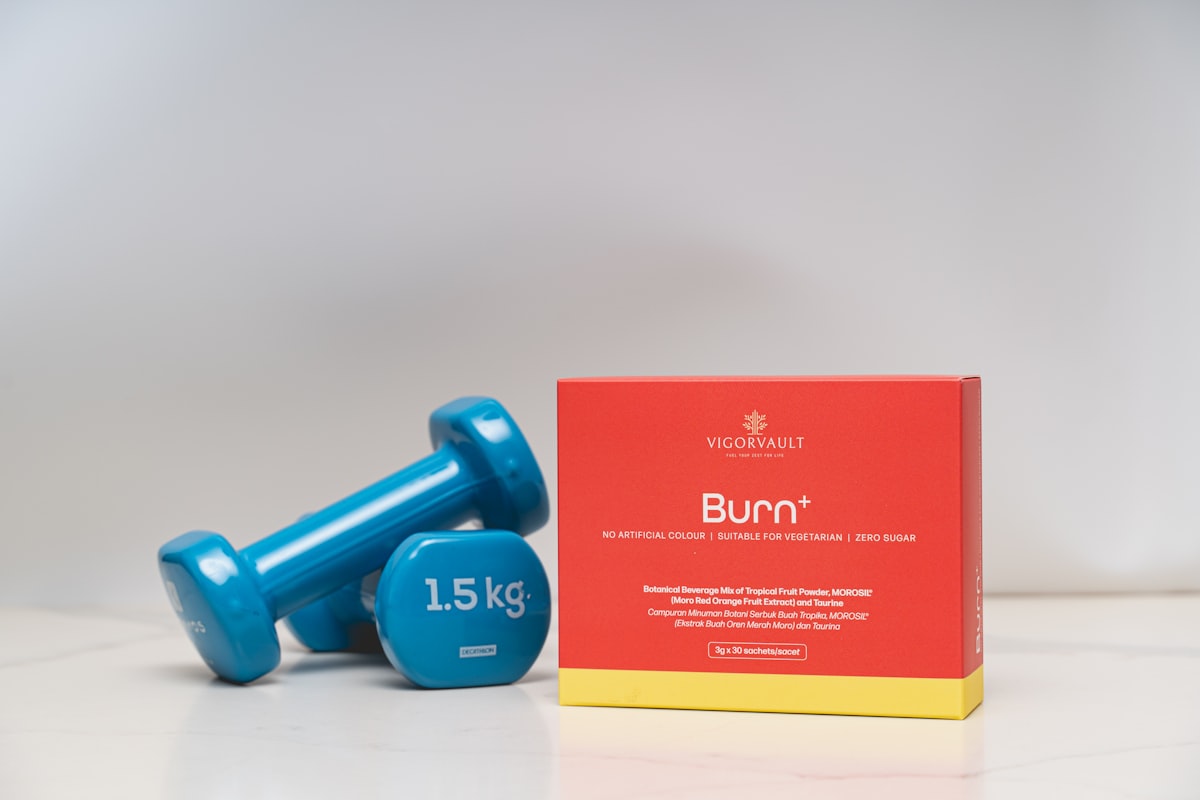
Peak Performance Demands Smart Nutrition
Active men face unique nutritional challenges that standard snacks simply cannot address. Regular processed snacks cause energy crashes, poor recovery, and reduced workout effectiveness. Your body requires strategic fuel to maintain stamina, rebuild muscle tissue, and sustain mental clarity throughout demanding days.
Quality snacking bridges the gap between meals, ensuring your body never lacks essential nutrients. Whether you're training, working, or managing an active lifestyle, intelligent snack choices directly impact performance, recovery speed, and long-term wellbeing.
Sustained Energy Levels
Balanced snacks prevent mid-afternoon crashes and maintain consistent performance
Accelerated Recovery
Protein and micronutrient timing supports muscle repair and adaptation
Mental Focus & Clarity
Proper nutrition fuels cognitive function and concentration throughout busy days
Optimised Body Composition
Strategic snacking supports lean muscle development and healthy metabolism
Top Protein-Packed Snack Choices
Explore scientifically-backed snack options that deliver sustained nutrition for active men. Each category offers distinct benefits tailored to different activity levels and goals.
Egg-Based Snacks
Hardboiled eggs and egg protein bars offer complete amino acid profiles, natural choline for cognitive function, and convenient portability for active schedules.
- Complete protein source
- Rich in choline
- Long shelf life
- Zero preparation needed
Nuts & Seeds
Almonds, walnuts, and pumpkin seeds deliver healthy fats, magnesium, and sustained energy without blood sugar spikes. Ideal pre or post-workout fuel.
- Healthy fats
- Mineral dense
- Sustained satiety
- Portable portions
Protein-Rich Bars
Quality protein bars with natural ingredients, minimal sugar, and real food sources support muscle recovery without processed additives or artificial sweeteners.
- Balanced macros
- Convenient format
- Natural ingredients
- No refrigeration needed
Fresh Fruit Options
Bananas, berries, and apples provide quick carbohydrates for energy, natural vitamins, and fibre for digestive health. Perfect pre-workout fuel for active men.
- Quick energy boost
- Rich in antioxidants
- Natural hydration
- Supports recovery
Greek Yogurt & Alternatives
High-protein yogurt varieties offer probiotics for gut health, calcium for bone strength, and versatility for mixing with berries, nuts, or granola for enhanced nutrition.
- Probiotics included
- High protein content
- Bone health support
- Extremely versatile
Grain & Legume Snacks
Whole grain crackers, chickpea snacks, and legume-based options deliver sustained carbohydrates, fibre, and plant-based protein for all-day energy stability.
- Sustained energy
- Fibre support
- Plant-based protein
- Digestive friendly
Building Your Perfect Snack Stack
Assess Your Activity Level
Evaluate your daily exercise intensity, workout duration, and recovery needs. High-intensity training demands more protein and carbohydrates, whilst moderate activity benefits from balanced macronutrient options. Consider your specific fitness goals—muscle development, endurance building, or general wellness maintenance each require different snacking strategies.
Define Your Nutritional Targets
Establish realistic daily protein, carbohydrate, and healthy fat goals based on your body composition and performance objectives. Active men typically benefit from 1.6-2.2 grams of protein per kilogram of body weight daily. Use snacking to bridge gaps between main meals, ensuring you meet micronutrient requirements through varied food sources rather than relying on processed supplements.
Select Snacks by Timing
Pre-workout snacks should emphasise carbohydrates and moderate protein for energy—fruit with almond butter works excellently. Post-workout calls for rapid protein absorption and glycogen replenishment—Greek yogurt with berries or a protein bar suits this window perfectly. Between-meal snacks benefit from sustained-energy combinations like nuts with whole grain crackers to prevent hunger and maintain stable blood sugar throughout demanding days.
Implement & Track Progress
Start with your selected snack rotation and monitor energy levels, recovery quality, and performance metrics over 2-3 weeks. Note which combinations sustain your energy longest, which provide best workout support, and which align with your digestion comfort. Track body composition changes, strength improvements, and subjective wellbeing. Adjust timing, portions, and food combinations based on real results, creating a personalised system that genuinely works for your unique physiology and lifestyle.
Common Questions About Healthy Snacking
Most active men benefit from 2-3 strategic snacks daily, spaced approximately 2-3 hours apart. This frequency maintains stable energy levels, prevents excessive hunger that leads to poor food choices, and supports consistent nutrient intake. However, individual needs vary based on workout timing, meal sizes, and metabolic factors. Some athletes prefer snacking every 2 hours, whilst others function optimally with just one mid-afternoon snack. Track your energy, hunger signals, and performance to identify your optimal snacking frequency.
Pre-workout snacks should be consumed 30-60 minutes before exercise and prioritise carbohydrates for immediate energy with moderate protein (around 15-20g). Examples include bananas with nut butter, oats with honey, or rice cakes with jam. Post-workout snacking, consumed within 30-60 minutes after training, emphasises rapid protein absorption (20-40g) and carbohydrate replenishment to support muscle recovery and glycogen restoration. Greek yogurt with berries, protein shakes with fruit, or turkey and whole grain bread work excellently. The timing and macronutrient balance directly impact workout performance and recovery quality.
Strategic snacking actually enhances main meal quality by preventing extreme hunger, which often leads to overeating and poor food choices. The key is timing—snack at least 1.5-2 hours before main meals to maintain appetite for substantial food intake. Lighter snacks (fruit, yogurt) have minimal digestion impact and won't compromise meal consumption. Heavier options (protein bars, nuts) may require longer gaps before meals. Listen to your body's hunger and fullness cues. Well-timed snacking prevents energy crashes that tempt you toward convenient but nutritionally poor options, ultimately improving overall dietary quality and meal satisfaction.
Energy crashes result from blood sugar spikes and rapid drops, typically caused by refined sugars and simple carbohydrates without accompanying protein or healthy fats. Avoid processed snacks with high sugar content and minimal fibre. Instead, combine protein with complex carbohydrates: Greek yogurt with berries and granola, almonds with an apple, or whole grain crackers with cheese provide sustained energy release. Include healthy fats and adequate protein in every snack—these nutrients slow carbohydrate absorption, stabilising blood sugar and preventing the afternoon energy crash. Read labels carefully, prioritising items with at least 5-10g protein, minimal added sugars (under 5g ideally), and recognisable whole food ingredients.
Snack portions typically range from 150-250 calories for most active men, varying based on main meal sizes and total daily calorie goals. A handful of nuts (approximately 30g) provides roughly 170 calories, whilst a medium apple with almond butter delivers around 250 calories. Post-workout snacks may be slightly larger (200-300 calories) to optimally support recovery, whilst mid-afternoon snacks work well at the lower end (150-200 calories) to prevent meal appetite suppression. Rather than rigidly counting calories, focus on hand-size portions and satiety—you should feel energised but still genuinely hungry at your next meal. Consider your specific body composition goals; muscle development may benefit from higher-calorie snacking strategies, whilst fat loss demands more modest portions within your daily calorie targets.
Align snacking strategy directly with your primary goal. For muscle development, prioritise protein-rich snacks (25-30g protein) supporting muscle protein synthesis—Greek yogurt, protein bars, hardboiled eggs work excellently. For endurance and stamina, emphasise carbohydrate-protein combinations fuelling extended performance—bananas with nut butter, whole grain crackers with cheese, or dried fruit with almonds. For body composition optimisation, select nutrient-dense snacks that fill you up whilst supporting calorie targets—high-protein options with moderate portions prevent overeating whilst maximising satiety. Track your progress over 4-6 weeks; adjust snack types and timing based on actual results rather than theory. Document energy levels, workout performance, recovery quality, and body composition changes to refine your personalised snacking system continually.
How Athletes Transformed Their Energy Levels
Real experiences from active men across the United Kingdom who optimised their snacking strategies and experienced tangible improvements in performance, recovery, and daily vitality.
"I was struggling with afternoon energy crashes that completely destroyed my gym sessions. After implementing strategic snacking with Greek yogurt and berries between meals, my workout performance improved dramatically. My lifts are stronger, recovery is faster, and I no longer hit that dreaded 3pm energy wall. This simple change transformed how I approach both training and daily productivity."
Marcus Chen
Fitness Coach, Los Angeles
Ready to Optimize Your Health?
Join thousands of men who've transformed their energy, performance, and well-being with science-backed nutrition strategies.
No credit card required • Free assessment included
Frequently Asked Questions
Most men notice improved energy levels within 3-5 days of implementing consistent nutrition strategies. Strength and performance gains typically appear within 2-3 weeks, while body composition changes become visible in 4-8 weeks depending on your starting point and consistency.
Not necessarily. While calorie awareness can be helpful, many of our strategies focus on eating nutrient-dense whole foods, proper meal timing, and protein distribution. These approaches naturally lead to better results without obsessive tracking.
Absolutely. Our approach is designed for men at all fitness levels, from complete beginners to advanced athletes. We provide foundational strategies you can start immediately, plus advanced optimization techniques as you progress.
Yes. Our nutrition framework is flexible and can be adapted to vegan, keto, paleo, gluten-free, and other dietary approaches. We focus on principles that work across different eating styles.
We offer a comprehensive assessment to identify potential obstacles—whether it's sleep quality, stress management, hydration, or underlying health factors. Results depend on consistency and individual factors, and we're committed to helping you troubleshoot.
Maleoptimalhealth
Science-backed nutrition optimization for peak male performance.
Quick Links
© 2024 Maleoptimalhealth – VAT: GB825 9280 29. All rights reserved. | Helping men achieve peak performance through science-backed nutrition.